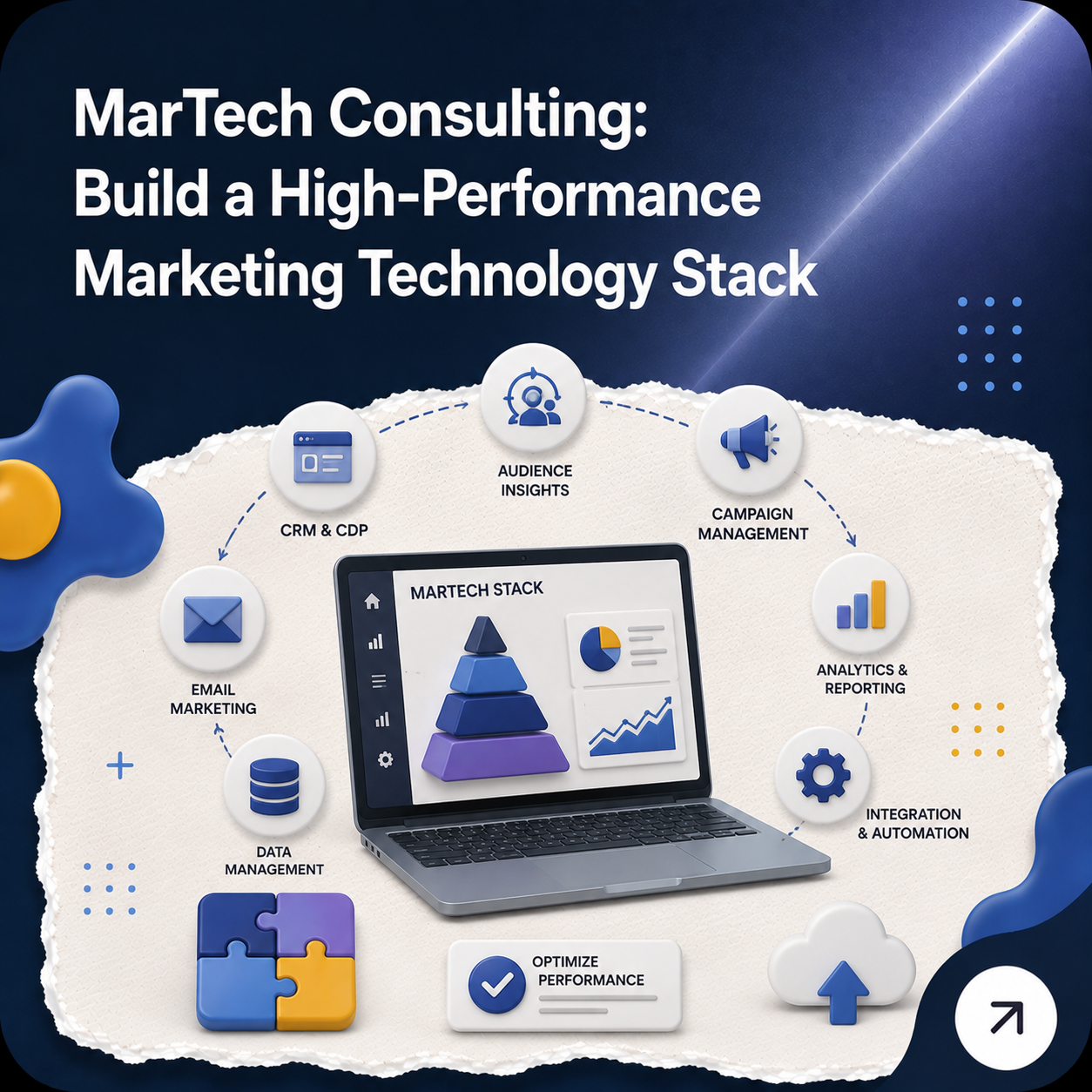
Today’s marketing teams have access to more technology than ever before.
From CRM platforms and marketing automation software to analytics dashboards, customer data platforms (CDPs), AI-powered content tools, SEO platforms, advertising solutions, and customer journey orchestration – businesses are investing heavily in technology to improve marketing performance.
User experience is one of the most consistently undervalued drivers of conversion, retention, and revenue in digital product and marketing strategy. Not because teams don’t care about UX – most do – but because UX decisions are frequently made on instinct, aesthetic preference, or stakeholder opinion rather than on research, measurement, and a coherent strategic framework.
Google Maps is not just a navigation tool. For local businesses, it is the first screen of the sales process.
When someone searches for a service near them, the Map Pack – the three local listings that appear above organic results – captures more clicks than anything below it. Ranking in that pack, or ranking higher within it, is not a vanity metric. It is a direct driver of calls, visits, and revenue.
The question comes up every budget cycle, every time a new channel needs resourcing, and every time a marketing leader looks at their team’s output relative to their cost.
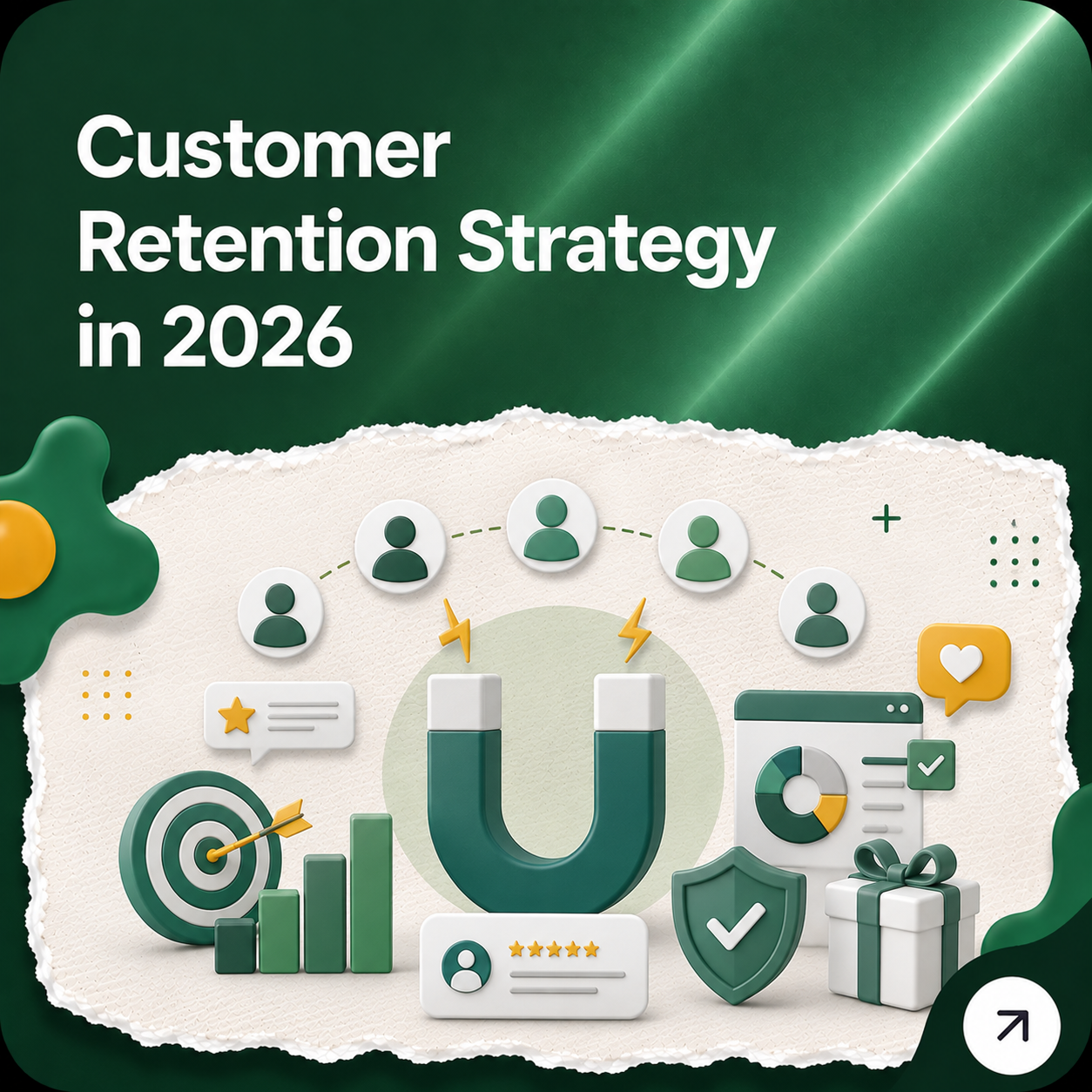
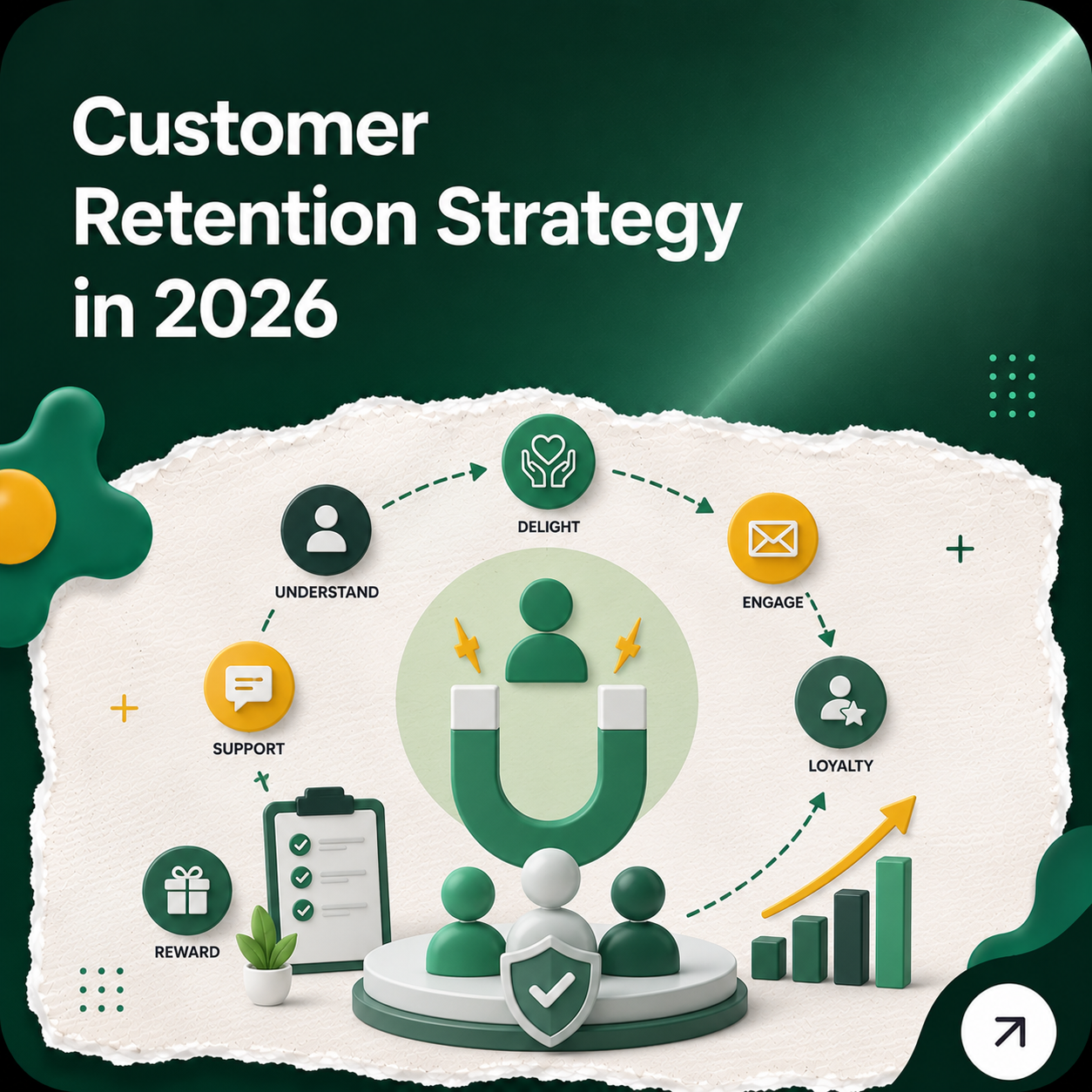
Most marketing budgets are built around acquisition. The majority of campaign spend, headcount, and strategic attention goes toward bringing new customers in – while the existing customer base is managed largely through automated email sequences and periodic promotions.
The SEO reseller model works. It has worked for years, and it continues to work for agencies that structure it correctly.
The premise is straightforward: your agency sells SEO services to clients under your brand. A specialist white label SEO partner delivers the work. Your clients receive high-quality SEO execution. You capture the margin without building a dedicated SEO team from scratch.
The most common complaint in B2B marketing is a version of the same problem: campaigns generate leads, but the leads don’t convert. Marketing reports a strong CPL. Sales reports a weak pipeline. Revenue doesn’t grow. And nobody can agree on whose problem it is. B2B performance marketing in 2026 is not about optimizing for more leads. It is about […]
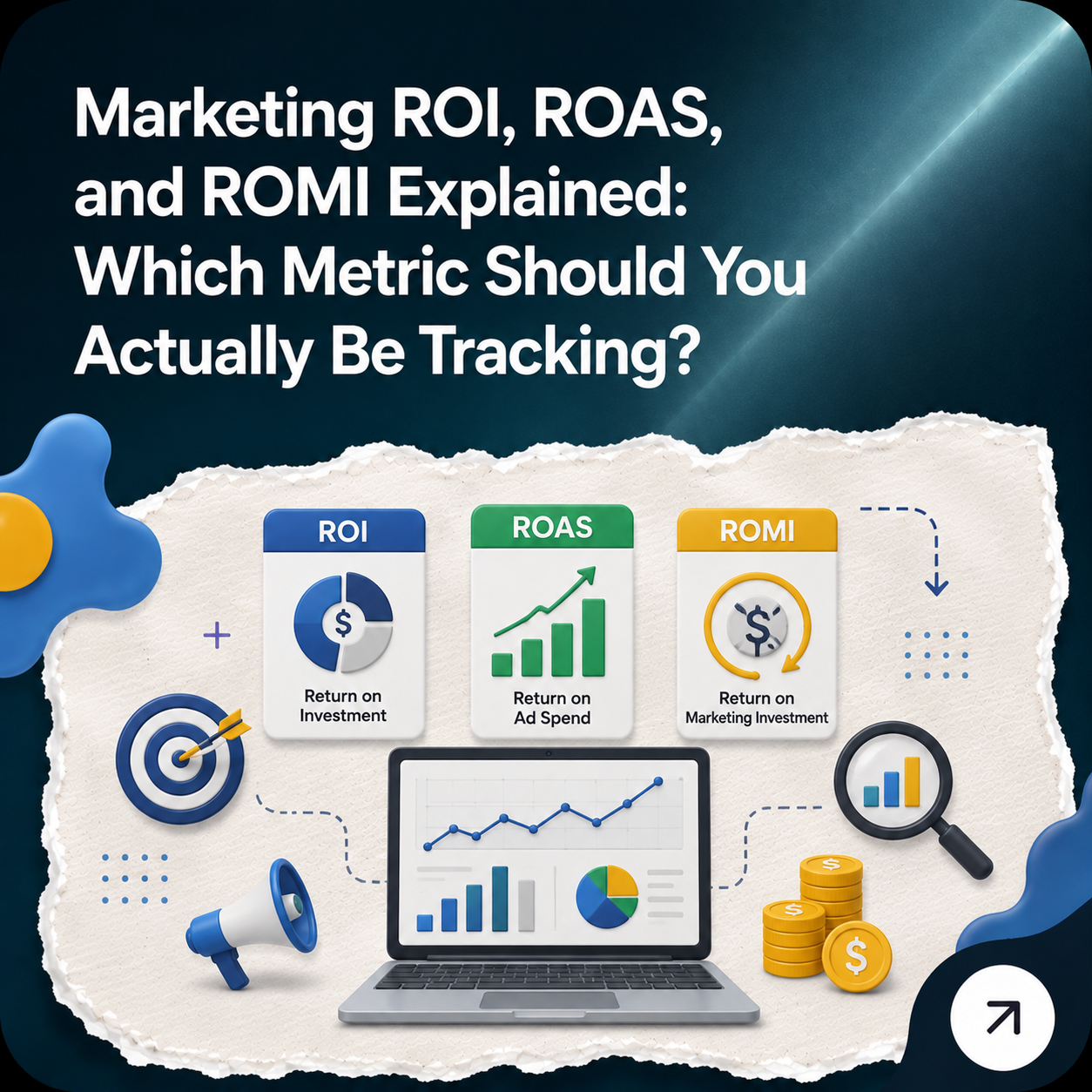
Marketing measurement conversations often stall because the people in the room are talking about different things. When a CEO asks about ROI, a performance marketer reports ROAS, and a brand strategist talks about ROMI, everyone leaves thinking they’ve answered the same question. They haven’t. ROI, ROAS, and ROMI are three different metrics that measure different things, operate at different levels of the marketing function, […]
Most performance marketing reports are too long, cover the wrong things, and do not help clients make a single better decision. This is not an accusation. It is a structural problem. Reporting dashboards default to capturing everything the platform records. Clients ask for more data because more data feels like more accountability. Account teams add metrics to […]
The debate has been running for years, and it has not aged well. On one side: performance marketers pointing to cost-per-acquisition, return on ad spend, and conversion rates. On the other: brand advocates citing long-term equity, customer lifetime value, and the compounding effects of trust. Both camps have data that supports their view. Both camps […]
Winning new performance marketing clients used to mean one thing: hiring. More clients meant more campaigns. More campaigns meant more campaign managers, more analysts, more reporting hours, and more overhead. The revenue grew, but so did the cost structure, the coordination complexity, and the delivery risk. For most agencies, headcount and campaign volume moved together […]